
- Resources
- Services
- Compliance
- Industries
- About
- Contact Us
A firewall that no one is managing is not protecting you — it’s creating the illusion of security. Default rules age out. Firmware vulnerabilities accumulate. Traffic patterns change. Unless someone is actively reviewing logs, tuning policies, and responding to alerts, your firewall is blocking last year’s threats while today’s get through unchallenged.
Triton’s managed firewall services give your business a fully monitored, actively maintained perimeter. We handle rule set management, firmware updates, log analysis, threat response, and policy adjustments as an ongoing managed service — not a one-time installation. Your firewall does its job because we make sure it’s always current, always correctly configured, and always watched.
Triton has served businesses across Massachusetts, Rhode Island, Connecticut, and New York since 2001. Our independently verified response time averages under 10 minutes — benchmarked against thousands of MSPs nationally. When a threat appears at your perimeter, we are already on it.
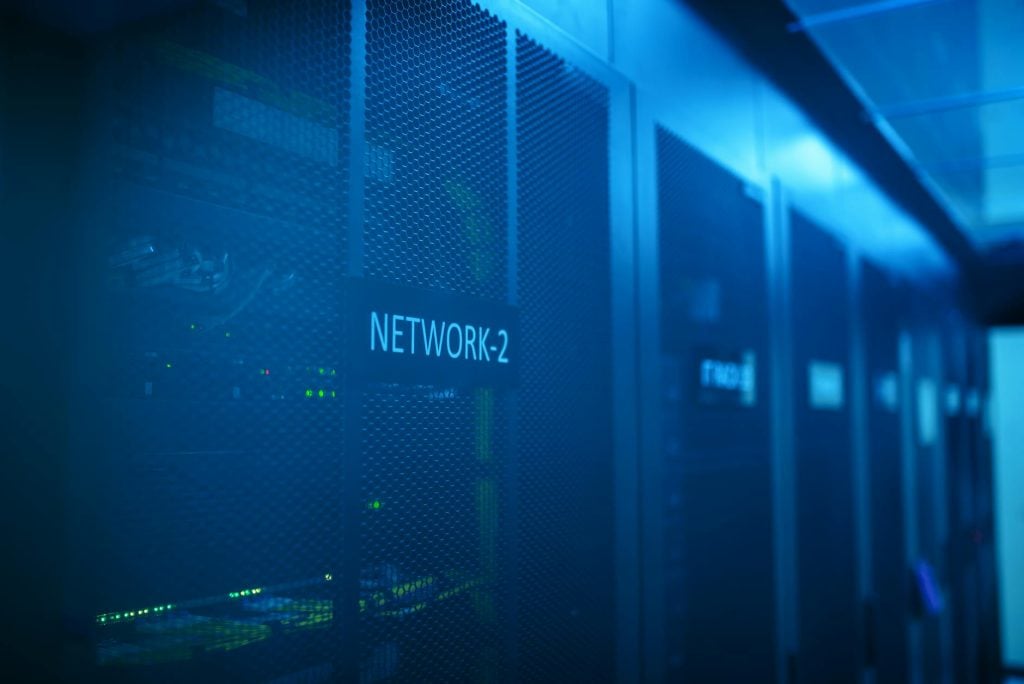

Traditional firewalls filter by IP address and port. Next-generation firewalls go deeper — inspecting packet contents, identifying applications regardless of port, detecting encrypted threats, and correlating traffic against live threat intelligence feeds. The difference between a basic firewall and an NGFW managed correctly is the difference between a chain-link fence and a monitored access control system.
Triton deploys and manages next-generation firewall platforms configured for your specific environment. We implement application-aware policies, enable intrusion prevention, configure DNS filtering, and connect your firewall to current threat intelligence so it recognizes known malicious traffic before it reaches your systems. Every configuration decision is documented and reviewed — nothing is left at default.
Already have firewall hardware? Triton can take over ongoing management without requiring a platform replacement. We work with leading enterprise firewall vendors and apply consistent management standards regardless of what you already own.
As your workforce extends beyond a single office, your firewall architecture needs to extend with it. Remote workers, branch offices, cloud workloads, and hybrid environments all create perimeter exposure that a single on-premise device cannot cover. Firewall as a Service (FWaaS) delivers centralized, cloud-managed firewall protection that follows your users and systems wherever they operate.
Triton implements and manages FWaaS environments that enforce consistent security policy across all your locations — offices in Worcester, remote employees in Connecticut, cloud workloads in AWS. One management plane, one policy framework, one team watching everything. Firewall rules update centrally and propagate immediately rather than requiring site-by-site maintenance visits.
For growing businesses adding locations or employees, FWaaS scales without hardware purchases at every new site. You add coverage the same way you add users — administratively, not physically.
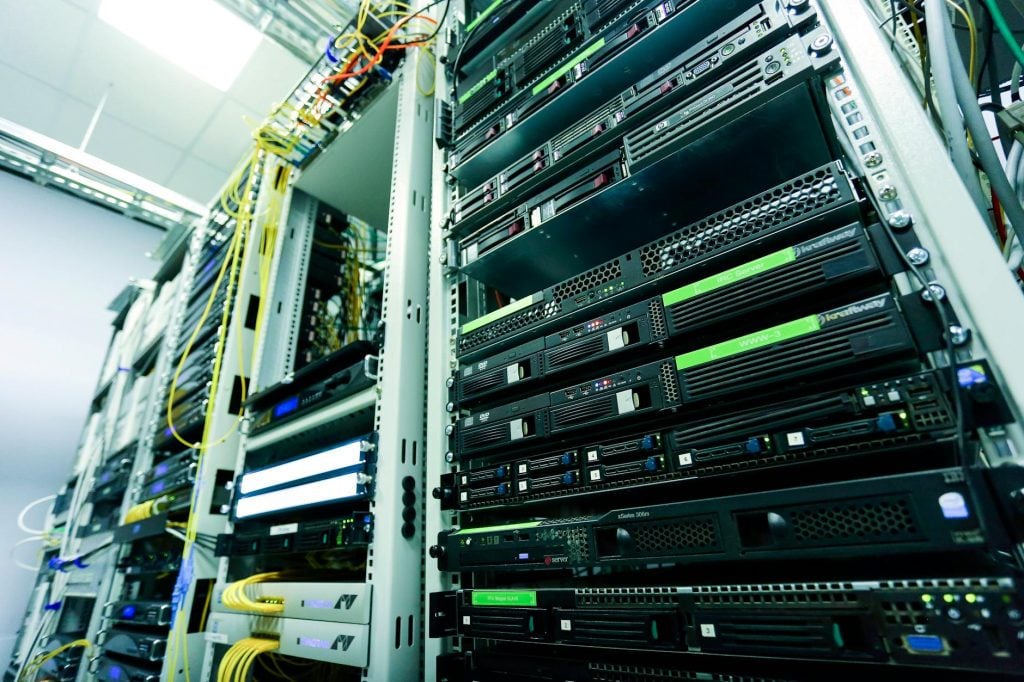

Every major compliance framework that applies to small and mid-size businesses includes specific firewall requirements — and none of them are satisfied by simply having a device present. PCI DSS requires documented firewall configurations, DMZ architecture, and regular rule set reviews with evidence. HIPAA requires network access controls that prevent unauthorized access to protected health information. CMMC Level 2 requires boundary protection and controlled traffic flow documentation. Massachusetts 201 CMR 17 requires reasonable technical safeguards including perimeter security controls.
Triton maintains your firewall to meet these requirements. We document every configuration change, produce audit-ready reports, perform periodic rule reviews, and ensure your architecture satisfies the specific controls of every framework your business operates under. When an audit arrives, your firewall documentation is already prepared — not assembled under deadline pressure.
Healthcare practices with HIPAA obligations and payment environments with PCI DSS requirements can both be addressed within a single managed firewall architecture — properly segmented, properly documented, and properly maintained by Triton.
We assist law firms in finding the products, services and cost-control infrastructure that allow lawyers to better collaborate with clients and peers while meeting needed security and standards.
“We had a firewall in place for years but no one was actually managing it. Triton audited our rule sets, found configurations that hadn’t been reviewed in five years, and rebuilt everything correctly. Our PCI audit went smoothly for the first time — and we finally understand exactly what our perimeter looks like.”
Matt
Managing Partner, Financial Asset Management Firm
“HIPAA requires specific network controls and our previous IT team had never properly documented our firewall architecture. Triton rebuilt it from the ground up with the right segmentation and gave us the documentation our compliance reviews require. That alone was worth the engagement.”
Vida
Owner & Co-Founder, Digital Marketing Company
+ What is a managed firewall service?
A managed firewall service means your firewall is actively monitored, configured, and maintained by a third-party IT provider rather than sitting unattended after initial setup. Triton handles ongoing rule management, firmware updates, log analysis, threat response, and compliance documentation as part of the service. The difference between managed and unmanaged is the difference between a control that actively protects you and one that creates a false sense of protection while slowly becoming obsolete.
+ What is a next‑generation firewall (NGFW) and does my business need one?
A next-generation firewall goes beyond port and IP filtering to inspect packet contents, identify applications, detect encrypted threats, and apply real-time threat intelligence. Most businesses in regulated industries or handling sensitive data benefit from NGFW capabilities because modern threats no longer present themselves on predictable ports. Triton will assess whether your current firewall meets your actual threat exposure and recommend upgrades only when genuinely warranted.
+ What is Firewall as a Service (FWaaS) and when does it make sense?
Firewall as a Service delivers cloud-managed protection that covers all your locations, remote users, and cloud workloads from a single centralized policy plane without requiring physical hardware at every site. It makes the most sense when your workforce is distributed, you operate multiple offices, or you have significant cloud infrastructure. Triton manages a unified FWaaS environment that enforces consistent policies everywhere you operate.
+ Does my firewall need to meet PCI DSS, HIPAA, or CMMC requirements?
Yes — and the requirements are specific. PCI DSS requires documented firewall configurations, DMZ architecture, and regular rule reviews with evidence. HIPAA requires access controls preventing unauthorized PHI access. CMMC Level 2 requires boundary protection and traffic flow documentation. 201 CMR 17 requires reasonable technical safeguards. Triton maintains your firewall to satisfy all applicable frameworks simultaneously, with audit-ready documentation produced as part of standard service.
+ Can Triton manage a firewall we already own?
Yes. Triton can assume ongoing management of your existing firewall without requiring a platform replacement. We start with a full configuration audit to understand your current rule set, identify gaps, and establish a baseline. From there we manage firmware updates, rule maintenance, log monitoring, and compliance documentation. If your hardware is genuinely outdated or incapable, we tell you directly — we do not pressure unnecessary purchases.
Founded 2001
25 Years
Microsoft Partner
AWS Partner
HIPAA · CMMC
SOC 2 · PCI DSS
Under 10-Min Response
Third-Party Verified
Serving MA · RI · CT · NY
and Internationally
Unmanaged firewalls are one of the most common security gaps we find in SMB environments. Contact Triton to assess your current perimeter and put active management behind it.